Strategic Balance: Creativity Within Functional Design Systems
An exploration of how creative expression can coexist with structured functionality to build scalable, user-centered digital systems.
Insights
Apr 5, 2025

Creativity as Structured Innovation
Creativity in design is not spontaneous decoration — it is structured innovation. It enables differentiation, strengthens brand identity, and introduces memorable experiences within digital systems.
Effective creativity operates within purpose. Visual experimentation, bold layouts, and expressive interactions must reinforce clarity rather than compete with it.
When creative direction aligns with user intent and product goals, it transforms interfaces from functional tools into meaningful experiences.
Creativity is powerful — but only when guided by intention and system awareness.

Functionality as the Structural Core
Functionality defines how effectively a product serves its users. Navigation clarity, interaction feedback, accessibility compliance, and performance stability are not secondary concerns — they are the structural core of digital systems.
Without functional integrity:
Interfaces become inconsistent
User trust declines
Friction increases
Engagement decreases
Functionality ensures that creative expression remains usable, scalable, and sustainable.
In high-performing systems, functionality is engineered first — creativity is layered with precision

Designing Within System Constraints
Creative freedom thrives within defined boundaries. Grid systems, typography scales, spacing frameworks, and component libraries establish consistency while enabling expressive variation.
Constraints provide:
Predictable structure
Team alignment
Scalable implementation
Reduced design debt
Rather than limiting innovation, structured systems make it repeatable and sustainable.

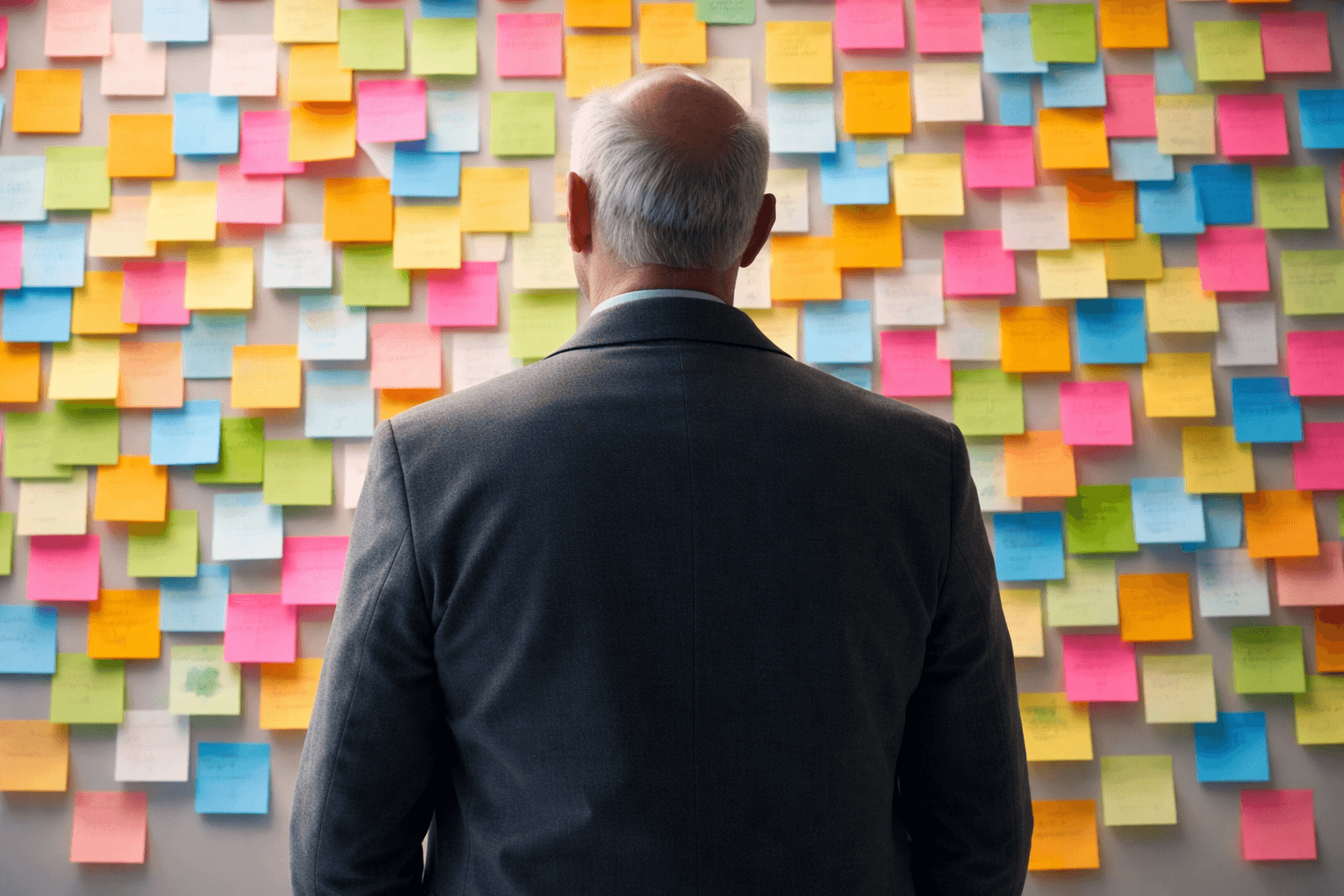
Intelligent Integration
Balancing creativity and functionality is not about compromise — it is about intelligent integration. The most effective digital products combine expressive identity with structured performance.
Creative vision inspires engagement. Functional architecture ensures reliability.
Together, they form scalable systems that are both distinctive and dependable.
Design maturity lies in knowing how to harmonize both .

More to Discover


Strategic Balance: Creativity Within Functional Design Systems
An exploration of how creative expression can coexist with structured functionality to build scalable, user-centered digital systems.
Insights
Apr 5, 2025
Creativity as Structured Innovation
Creativity in design is not spontaneous decoration — it is structured innovation. It enables differentiation, strengthens brand identity, and introduces memorable experiences within digital systems.
Effective creativity operates within purpose. Visual experimentation, bold layouts, and expressive interactions must reinforce clarity rather than compete with it.
When creative direction aligns with user intent and product goals, it transforms interfaces from functional tools into meaningful experiences.
Creativity is powerful — but only when guided by intention and system awareness.
Functionality as the Structural Core
Functionality defines how effectively a product serves its users. Navigation clarity, interaction feedback, accessibility compliance, and performance stability are not secondary concerns — they are the structural core of digital systems.
Without functional integrity:
Interfaces become inconsistent
User trust declines
Friction increases
Engagement decreases
Functionality ensures that creative expression remains usable, scalable, and sustainable.
In high-performing systems, functionality is engineered first — creativity is layered with precision
Designing Within System Constraints
Creative freedom thrives within defined boundaries. Grid systems, typography scales, spacing frameworks, and component libraries establish consistency while enabling expressive variation.
Constraints provide:
Predictable structure
Team alignment
Scalable implementation
Reduced design debt
Rather than limiting innovation, structured systems make it repeatable and sustainable.
Intelligent Integration
Balancing creativity and functionality is not about compromise — it is about intelligent integration. The most effective digital products combine expressive identity with structured performance.
Creative vision inspires engagement. Functional architecture ensures reliability.
Together, they form scalable systems that are both distinctive and dependable.
Design maturity lies in knowing how to harmonize both .
More to Discover
Strategic Balance: Creativity Within Functional Design Systems
An exploration of how creative expression can coexist with structured functionality to build scalable, user-centered digital systems.
Insights
Apr 5, 2025
Creativity as Structured Innovation
Creativity in design is not spontaneous decoration — it is structured innovation. It enables differentiation, strengthens brand identity, and introduces memorable experiences within digital systems.
Effective creativity operates within purpose. Visual experimentation, bold layouts, and expressive interactions must reinforce clarity rather than compete with it.
When creative direction aligns with user intent and product goals, it transforms interfaces from functional tools into meaningful experiences.
Creativity is powerful — but only when guided by intention and system awareness.
Functionality as the Structural Core
Functionality defines how effectively a product serves its users. Navigation clarity, interaction feedback, accessibility compliance, and performance stability are not secondary concerns — they are the structural core of digital systems.
Without functional integrity:
Interfaces become inconsistent
User trust declines
Friction increases
Engagement decreases
Functionality ensures that creative expression remains usable, scalable, and sustainable.
In high-performing systems, functionality is engineered first — creativity is layered with precision
Designing Within System Constraints
Creative freedom thrives within defined boundaries. Grid systems, typography scales, spacing frameworks, and component libraries establish consistency while enabling expressive variation.
Constraints provide:
Predictable structure
Team alignment
Scalable implementation
Reduced design debt
Rather than limiting innovation, structured systems make it repeatable and sustainable.
Intelligent Integration
Balancing creativity and functionality is not about compromise — it is about intelligent integration. The most effective digital products combine expressive identity with structured performance.
Creative vision inspires engagement. Functional architecture ensures reliability.
Together, they form scalable systems that are both distinctive and dependable.
Design maturity lies in knowing how to harmonize both .